

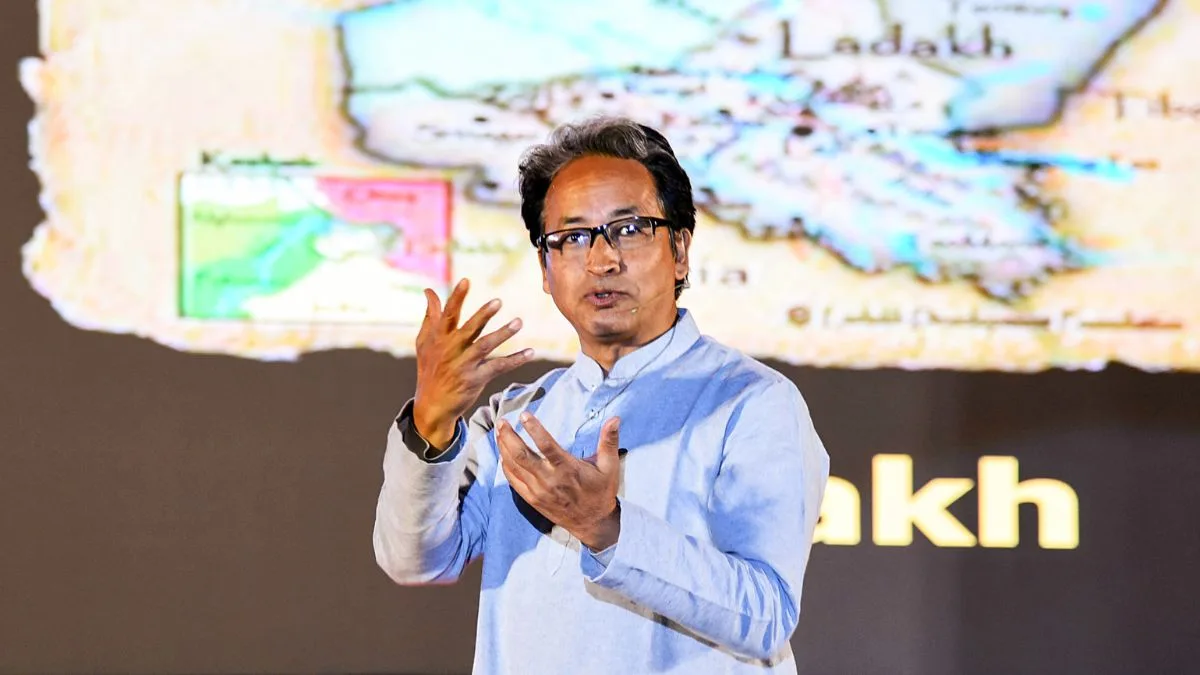
Climate activist Sonam Wangchuk has faced detention under the stringent National Security Act as he was transferred to Jodhpur Jail in Rajasthan on Friday. This move has ignited a wave of reactions from netizens who termed this occasion a “black day” for Ladakh, highlighting the ongoing unrest in the region.
The arrest comes in the context of two days of violent protests advocating for Ladakh’s statehood and the implementation of the Sixth Schedule. These protests sadly resulted in four deaths and over ninety injuries due to police firing. The administration’s decision reflects their stance on maintaining public order amidst the escalated tensions.
Announced by the Ladakh administration just past midnight, Wangchuk’s detention raises questions about civil liberties and responses to dissent in the region. The official statement declared, “Sonam Wangchuk, S/o Shri Sonam Wangyal, R/o Uley Tokpo, Leh, has been detained under the National Security Act, 1980.”
The Ladakh administration emphasized that Wangchuk’s activities have repeatedly compromised the security of the state. Their statement detailed that his hunger strike and subsequent speeches contributed to the unrest, stating, “Despite clear communication from the Government regarding the High-Powered Committee (HPC) meeting, Wangchuk continued his hunger strike, leading to violent protests.”
Wangchuk had initiated a 35-day fast on September 10, advocating for significant changes including statehood for Ladakh, enhanced protection for its environment, and the implementation of the Sixth Schedule. However, he concluded his fast on September 24 following the eruption of violence in Leh, marking a difficult chapter for the region’s activism.
User reactions on social media turned quickly, decrying the administration’s approach. Many people demanded accountability from Lt. Governor Kavinder Gupta, attributing responsibility for the police’s fatal actions that led to unnecessary loss of life.
The official press release discussed the escalation of protests sparked by Wangchuk’s actions, highlighting the blocking of roads and destruction of public property during the protests. “In the backdrop of his provocative speeches and videos, it was not advisable to keep him in Leh District,” the statement reiterated.
Ladakh’s rich cultural history and delicate ecosystem now find themselves at the center of a heated debate over governance and rights. The juxtaposition of environmental concerns with political unrest shapes the current narrative. Activists argue that such governmental responses threaten essential discourse on matters vital to the region’s future.
As events unfold, the situation in Ladakh remains tense but crucially significant. The call for national dialogue on statehood for Ladakh echoes through the sentiments of protestors and supporters alike. How the administration navigates this storm while addressing public grievances will be pivotal in restoring peace.
The detainment of Sonam Wangchuk under the National Security Act brings vital questions regarding the balance between security and rights in a state of unrest. The discourse surrounding his detention will likely shape future protests as citizens grapple with their demands against the backdrop of state authority.