
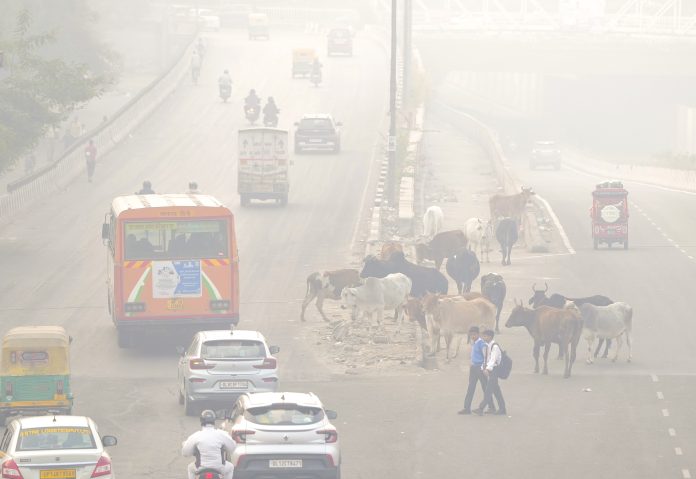
Delhi remains engulfed in toxic air as it grapples with a ‘very poor’ air quality level. The latest report from the Central Pollution Control Board (CPCB) showed the national capital’s overall Air Quality Index (AQI) at 360 on Saturday morning.
According to the CPCB’s classification, an AQI of 0–50 is deemed good, 51–100 satisfactory, 101–200 moderate, 201–300 poor, 301–400 very poor, and anything above 400 classified as severe. With the current figures, residents face significant health risks associated with prolonged exposure to such deteriorating air quality.
On Saturday, the India Meteorological Department (IMD) also reported a minimum temperature of 11.8°C. The weather forecast estimates fog will linger throughout the day, with the maximum temperature expected to peak around 28.2°C.
The dense fog not only affects visibility but also exacerbates pollution levels, as high humidity hinders the dispersion of air pollutants. At 8:30 a.m., relative humidity levels stood at 100 percent, illustrating the moisture-laden conditions that contribute to the worsening air quality.
Health experts urge residents to limit outdoor activities, especially for vulnerable populations such as children, the elderly, and those with pre-existing health conditions. It has been well documented that prolonged exposure to very poor air quality can lead to serious health issues, including respiratory diseases.
With the capital under the shadow of alarming AQI levels, citizens are advised to employ protective measures. Wearing masks, using air purifiers indoors, and minimizing exposure to outdoor air can help alleviate the adverse effects of pollution.
The sustained air quality crisis in Delhi raises urgent concerns regarding environmental policies and enforcement measures. Local government agencies must prioritize initiating robust actions aimed at improving air quality and safeguarding public health. Experts suggest stricter regulations on vehicle emissions, industrial pollution, and construction activities as immediate steps to combat this persistent issue.
In recent years, Delhi’s air quality has alarmingly deteriorated during the winter months, largely attributed to agricultural burning in neighbouring states, industrial emissions, and vehicular pollution. As authorities examine strategies to tackle this crisis, awareness among residents continues to grow regarding the necessity of collective action to combat air pollution.
With the current situation continuing to unfold, it remains crucial for the officials and residents to remain vigilant amidst the harmful pollutants engulfing the city. Sustainable measures are a necessity to ensure that future generations can breathe easier.