

Congress has fiercely criticized Prime Minister Narendra Modi, labeling him a ‘weak PM’ after the recent announcement of a $100,000 annual fee for H-1B visas by the US government. The opposition party claims this increase disproportionately affects Indian nationals, with many of the approximately 70% of H-1B holders being from India. This controversy arises publically as the Congress urges the Modi administration to prioritize India’s national interests.
US H-1B Visa Fee Disrupts Indian Workforce
On Friday, President Trump signed a proclamation that escalates H-1B visa fees to $100,000. The H-1B visa program is crucial for Indian tech workers, bringing highly skilled professionals to the US labor market. According to Congress leader Rahul Gandhi, the new fee represents a setback for the best and brightest minds migrating from India.
Congress Leaders Speak Out
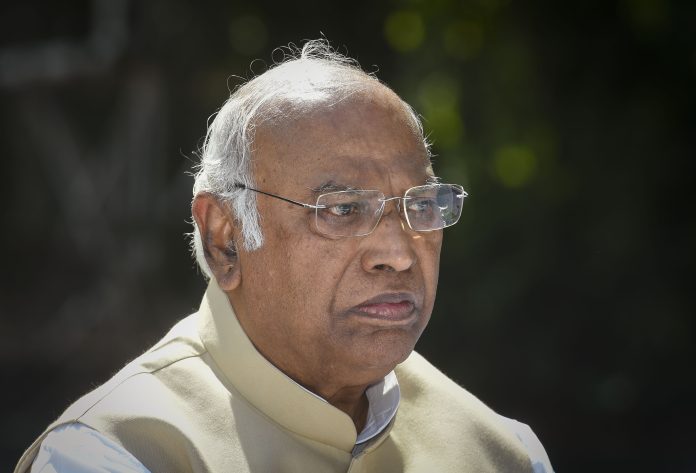
Congress president Mallikarjun Kharge voiced his concerns during a recent address, stating that strengthening foreign policy should prioritize “keeping India First” rather than engaging in unnecessary public relations theatrics. “Bear hugs, hollow slogans, and public concerts do not constitute effective foreign policy,” Kharge asserted.
Highlighting the ramifications of the social and economic impact of the H-1B visa hike, Kharge emphasized, “This decision is not merely a financial burden but is poised to result in an estimated loss of Rs 2.17 Lakh crore across 10 sectors in India.” His comments underscore the broader implications for India’s economic landscape.
Strategic Silence or Inadequate Leadership?
Congress deputy leader Gaurav Gogoi echoed these sentiments, noting that PM Modi’s approach of “strategic silence and loud optics” has proved detrimental to national interests. Comparatively, he referred to the decisive actions of former PM Manmohan Singh handling international diplomacy.
Congress leader Pawan Khera added dimension to this criticism by recalling a past warning made by Gandhi about the potential fallout from the H-1B negotiations. “Eight years later, Rahul Gandhi is vindicated,” Khera commented, referencing concerns that have yet to be addressed by the current administration.
The Exemption Controversy
Further igniting the debate, Kharge pointed out the lifting of exemption for India’s Chabahar port as a strategic loss. He cited a broader pattern of unilateral decisions that threaten India’s long-term interests. Congress leaders fear that not responding robustly could allow the international community to take advantage of India’s vulnerabilities.
Kharge’s remarks included a stern warning: “Superficial bravado risks undermining our global standing.” This commentary reflects a growing discontent within political circles regarding Modi’s diplomatic strategies and their effectiveness on the world stage.
Impact on Future Professionals
The implications of the increased costs for H-1B visa applicants extend beyond individual workers. Experts argue that the higher fees may deter future professionals from pursuing opportunities in the tech sector in the US.
An unofficial survey of tech professionals indicated that nearly 60% would reconsider working in the US due to these changes. This suggests that the Indian tech industry could face a talent drain as professionals look for opportunities elsewhere.
Trump’s assertion that the H-1B program has been exploited to replace rather than supplement American labor raises questions. Are the changes truly addressing these concerns or are they creating a wider rift between two nations that have historically worked closely?
In a world increasingly focused on talent development and innovation, the attention on the H-1B visa program paints a vivid picture of the challenges facing Indian workers and the broader implications for India’s tech sector.
As the discourse over the H-1B visa fees unfolds, it remains clear: Congress leaders will continue to hold the Modi administration accountable for what they describe as an inadequate response in safeguarding the interests of Indian workers.