

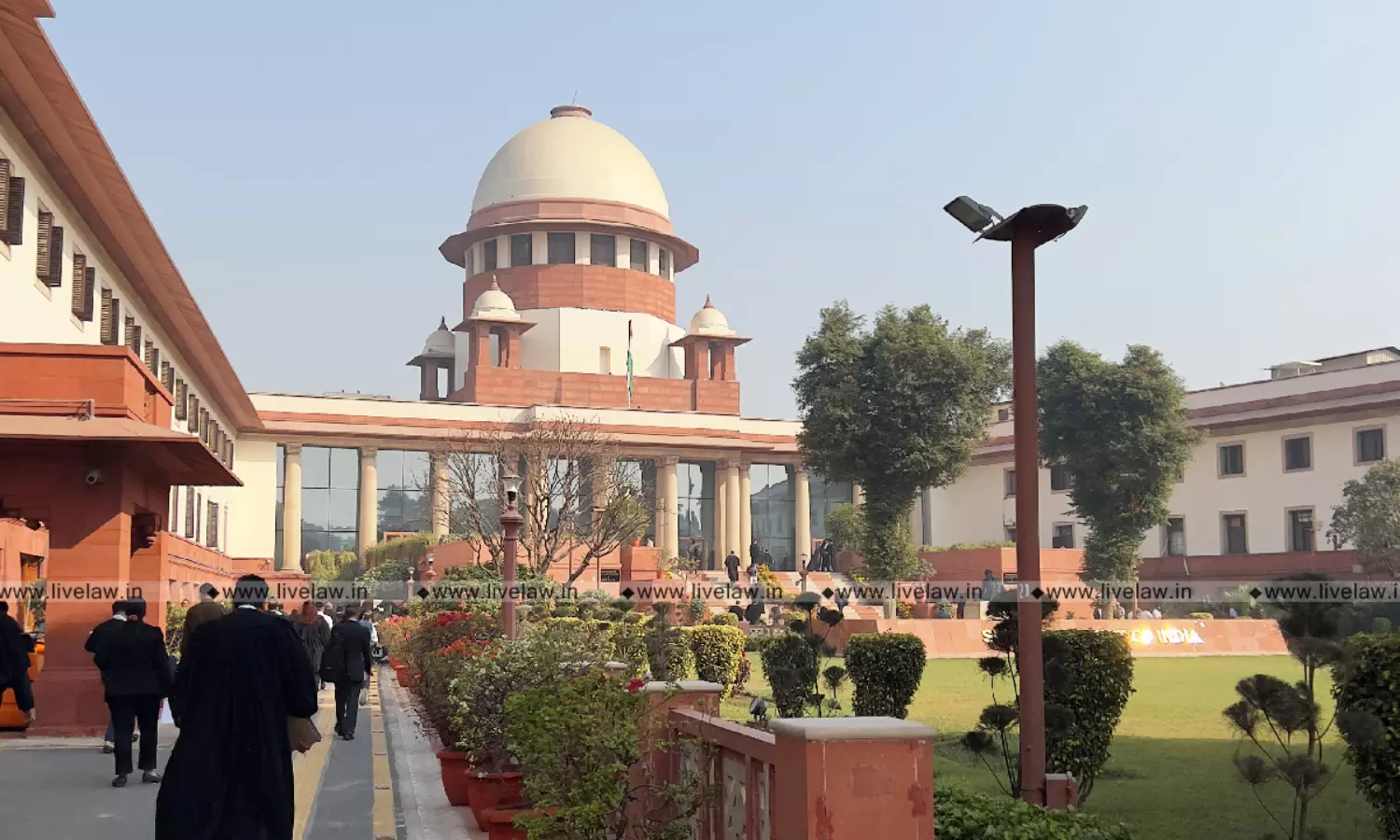
Supreme Court Directs CBI to Investigate Advocate’s Degree
The Supreme Court of India has directed the Central Bureau of Investigation (CBI) to examine the authenticity of an advocate’s educational qualifications. This decision comes after Magadh University alleged that the advocate’s certificates were forged.
On September 15, a bench led by Justices Manoj Misra and Ujjal Bhuyan acted on an appeal challenging a decision made by the Bar Council of India’s disciplinary committee regarding the advocate’s qualifications. The case has raised significant questions about the integrity of legal practitioners and the verification of their educational backgrounds.
Background of the Case and Allegations
The issue escalated when Magadh University, located in Bodh Gaya, issued a statement through its controller of examinations. They asserted that the advocate’s marksheet and Bachelor of Commerce (B.Com) degree were “forged and not issued by the university.” Such allegations, if proven true, could have serious implications for the advocate’s career.
The Supreme Court has emphasized the need for thorough investigation in matters related to educational qualifications, especially in the legal field where integrity is paramount. The advocate has presented photocopies of his degree, claiming he passed the Bachelor of Commerce (Honours) exam in August 1991.
Investigation Ordered by the Supreme Court
During the proceedings, the advocate argued that he faced difficulties in verifying his degree, citing that university records had deteriorated over time. **“We deem it appropriate to require the Central Bureau of Investigation, Delhi to investigate and ascertain whether the degree presented by the Petitioner is genuine or forged,”** remarked Justice Misra.
**The bench instructed the CBI to assign an officer to this case and submit their findings by November 3.** This timeline highlights the urgency and seriousness with which the court views such allegations against licensed professionals.
Importance of Degree Verification in Legal Profession
As the legal profession relies heavily on the credentials of its practitioners, the integrity of educational qualifications is critical. A 2022 study indicated that nearly 20% of professionals in the legal field may have discrepancies in their educational claims.
This situation brings to light the broader issue of degree verification and the potential prevalence of fraudulent qualifications in various sectors. Such findings could affect trust in not just the legal profession, but other fields as well.
Conclusion: The Need for Accountability
The Supreme Court’s decision to involve the CBI marks a significant step towards accountability in the legal system. As the investigation unfolds, the ramifications of the findings will likely reverberate throughout the legal community and beyond.
Given the stakes involved, this case underscores the necessity for rigorous verification processes in educational institutions to prevent fraud and maintain the integrity of the legal profession.